Table of Contents
ToggleFinding a trustworthy handyman in Cincinnati shouldn’t feel like a gamble. Whether you’re dealing with a leaky faucet, sagging drywall, or a honey-do list that’s grown out of control, the right local pro can save you time, money, and frustration. Cincinnati’s mix of historic homes, many with plaster walls, original trim, and aging systems, and newer construction means repair needs vary widely. This guide walks homeowners through what Cincinnati handymen actually do, how to vet them, what projects they tackle, and when it makes sense to hand off the wrench instead of wrestling with it yourself.
Key Takeaways
- Cincinnati handyman services handle minor plumbing, electrical, carpentry, painting, and seasonal maintenance—but not licensed specialty work like HVAC or structural engineering.
- Verify insurance and bonding (minimum $500,000 liability), check references on Google and Yelp, and request itemized estimates in writing before hiring a handyman in Cincinnati.
- Handyman rates in Cincinnati range from $50–$90 per hour with typical minimum charges of $100–$150, with costs varying by project complexity, materials, and location.
- Cincinnati’s older housing stock creates high demand for plaster repair, wood rot treatment, door adjustments, and deck maintenance—work that requires knowledge of historic home quirks.
- Call a professional handyman instead of DIY when projects involve heights, specialized tools, permit requirements, knob-and-tube wiring, or lead paint and asbestos in pre-1978 homes.
- Ask potential handymen about insurance verification, similar project references, permit handling, work guarantees (typically 30–90 days), and their plan for unexpected issues before signing a contract.
What Does a Cincinnati Handyman Do?
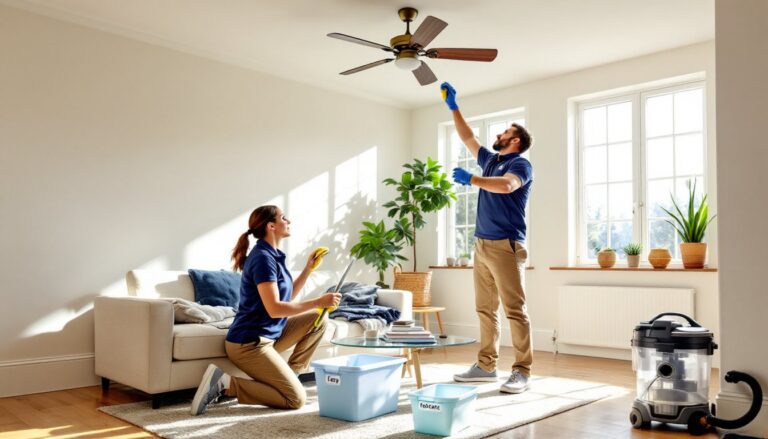
A handyman is essentially a generalist, someone skilled in multiple trades but not licensed for specialty work like HVAC, electrical panel upgrades, or structural engineering. In Cincinnati, handymen typically handle:
- Minor plumbing repairs: replacing faucets, fixing running toilets, unclogging drains, installing garbage disposals. They won’t re-route sewer lines or pull permits for major plumbing overhauls.
- Basic electrical tasks: swapping outlets, installing light fixtures, replacing ceiling fans. Code requires a licensed electrician for panel work or anything involving service entry cables.
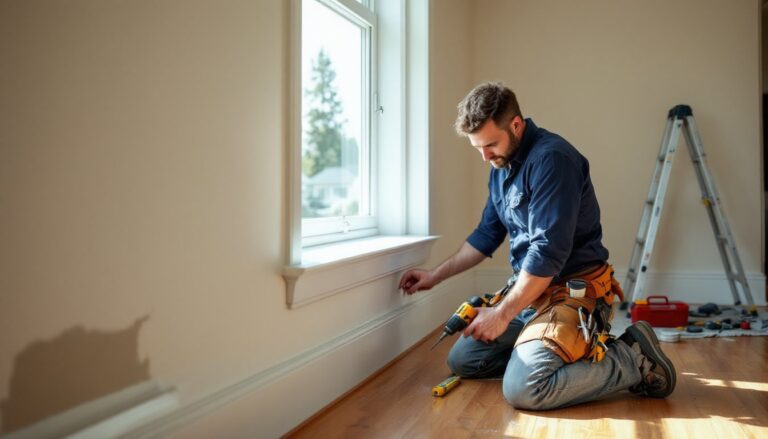
- Carpentry and trim work: installing baseboards, crown molding, shelving, or door hardware. They can also patch drywall, hang doors, and build simple frames.
- Painting and finishing: interior/exterior paint jobs, deck staining, caulking, minor surface prep.
- Assembly and mounting: furniture, TV brackets, grab bars, closet organizers.
- Seasonal maintenance: gutter cleaning, power washing, weatherstripping, storm window installation.
Cincinnati’s older neighborhoods, Mount Adams, Hyde Park, Oakley, often need pros familiar with lathe-and-plaster walls, century-old joists, and window sashes that require custom shims. A good local handyman knows the quirks of these homes and won’t mistake settling cracks for structural failure (or vice versa).
How to Choose the Right Handyman Service in Cincinnati
Vetting handyman services Cincinnati residents hire starts with a few non-negotiables:
Insurance and bonding. General liability insurance protects you if the handyman damages your property: bonding covers theft or incomplete work. Ask for proof of both and verify coverage amounts (minimum $500,000 liability is standard). Ohio doesn’t require handymen to carry a state license for small jobs, but insurance is your safety net.
References and reviews. Check Google, Yelp, and local Facebook groups. Platforms like top-rated handymen in Cincinnati compile verified reviews that show response times, work quality, and pricing transparency. Look for patterns, one bad review isn’t a deal-breaker, but repeated complaints about no-shows or sloppy finish work are red flags.
Scope clarity. Some handymen work solo: others run small crews. Solo operators often cost less but may take longer on large projects. Crews can knock out multi-room jobs faster but charge more per hour. Make sure they can handle your specific project, if you need pocket door repair in a 1920s Clifton bungalow, you want someone who’s worked with old hardware, not just new construction.
Transparent pricing. Reputable handymen offer free estimates and itemize labor vs. materials. Flat rates work for simple tasks (like mounting a TV): hourly rates ($50–$90/hour in Cincinnati) suit open-ended projects. Get it in writing.
Average Costs for Handyman Services in the Cincinnati Area
Cincinnati handyman rates as of 2026 range from $50 to $90 per hour, with a typical minimum charge of $100–$150 for the first hour or small jobs. Factors affecting cost:
- Project complexity. Swapping a toilet flapper costs less than re-setting a toilet on a new wax ring with flange repair.
- Material costs. Supply chain fluctuations still affect lumber, hardware, and paint. Expect to pay separately for materials unless the estimate includes them.
- Location. Jobs in downtown Cincinnati or urban neighborhoods may include parking fees or trip charges: suburban service calls (Mason, West Chester) might add mileage.
Common project estimates:
- Drywall patching (one 12″×12″ hole): $75–$150
- Install ceiling fan (fixture provided): $100–$200
- Exterior door lockset replacement: $80–$150
- Paint one room (10’×12′, walls only): $250–$500
- Deck staining (200 sq. ft.): $300–$600
- Gutter cleaning (single-story home): $100–$200
Platforms like HomeAdvisor offer cost calculators based on ZIP code and project type, though actual quotes will vary by season and handyman availability. Winter months (January–March) often see lower demand and more negotiable rates.
Top Home Repair Projects Cincinnati Handymen Handle
Cincinnati’s housing stock, 66% built before 1980, creates a steady stream of repair needs. Here’s what keeps local handymen busy:
Drywall and plaster repair. Cracks from settling, nail pops, and water damage from Cincinnati’s humid summers. Older homes with plaster walls need patching compounds compatible with lime or gypsum substrates: modern drywall uses joint compound and fiberglass tape.
Wood rot and trim replacement. Freeze-thaw cycles and moisture hit exterior trim, window sills, and porch posts hard. Handymen cut out rotted sections, treat with borate, and splice in new lumber (typically 5/4×6 PVC trim for exterior longevity or primed pine for painted interiors).
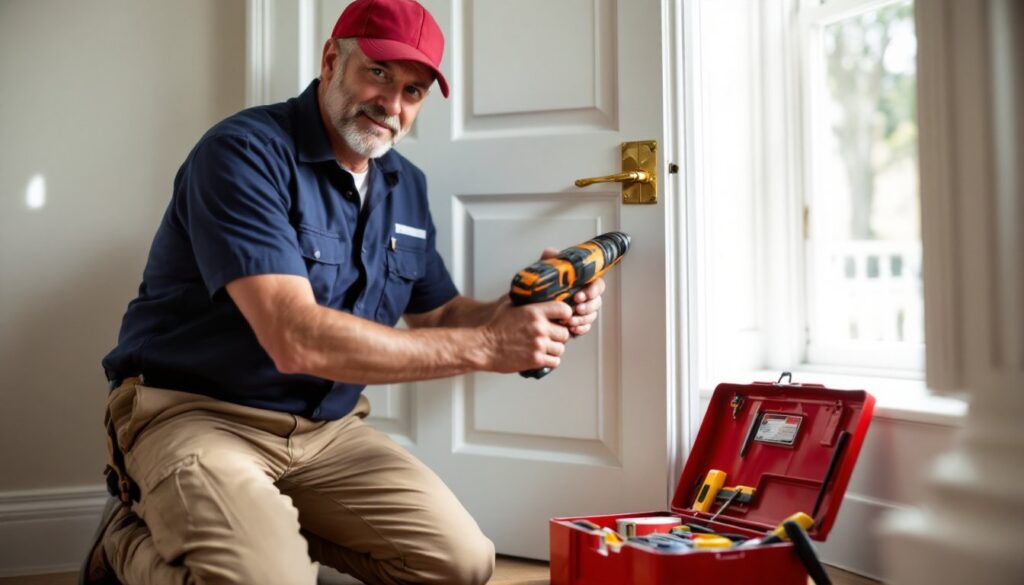
Door adjustments and hardware upgrades. Settling foundations cause doors to stick or gaps to widen. Handymen plane edges, reset hinges, or install jamb shims. Upgrading to Grade 1 deadbolts (ANSI/BHMA certified) is a common request for security-conscious homeowners.
Deck and fence maintenance. Pressure-treated pine and cedar decking need annual cleaning and re-staining (typically with semi-transparent oil-based stains for UV protection). Loose boards, popped nails, and wobbly posts are safety hazards that handymen address before re-finishing.
Bathroom caulking and fixture updates. Grout and caulk fail in humid environments. Handymen remove old silicone, clean mildew, and apply 100% silicone caulk (not acrylic latex) around tubs and showers. They also swap out dated faucets, showerheads, and towel bars.
DIY vs. Hiring a Professional: When to Call a Cincinnati Handyman
DIY makes sense when:
- The task is cosmetic and low-risk: painting a bedroom, replacing cabinet knobs, mounting lightweight shelves.
- You have the right tools already: a quality drill/driver, level, stud finder, and basic hand tools get you through most small projects.
- Mistakes are cheap and reversible: extra nail holes in drywall are easy to patch: cutting a joist isn’t.
Call a handyman when:
- You lack specialized tools. Renting a tile saw or miter saw for a one-off job often costs as much as hiring someone who owns the equipment and knows how to use it safely.
- Time matters. A pro can hang and finish drywall in a weekend: a first-timer might need two weeks.
- The work involves heights or awkward access. Cleaning second-story gutters or working in a cramped crawlspace increases injury risk. Let someone with the right ladders and PPE handle it.
- Permit questions arise. If you’re unsure whether a project needs a building permit, like replacing a load-bearing beam or running new circuits, a handyman familiar with Cincinnati’s codes (administered by the Department of Buildings and Inspections) can advise or pull the permit on your behalf.
- You hit a snag mid-project. Discover knob-and-tube wiring behind the wall during a “simple” outlet swap? Stop. A handyman can assess whether it’s safe to proceed or if you need a licensed electrician.
Safety is non-negotiable. Working with power tools, ladders above 6 feet, or anything involving gas lines or electrical panels beyond simple fixture swaps warrants professional help. Cincinnati’s older homes may also contain lead paint (pre-1978) or asbestos (insulation, tile, siding), disturbing these materials without proper containment and PPE creates health hazards.
Questions to Ask Before Hiring a Handyman in Cincinnati
Before signing a contract or handing over a deposit, ask:
- “Are you insured and bonded?” Get the insurer’s name and policy number: call to verify active coverage.
- “Can you provide references for similar projects?” A handyman who’s installed dozens of storm doors can point you to past clients. If they hesitate, that’s a red flag.
- “What’s your timeline and availability?” Solo operators may be booked two weeks out during peak seasons (spring and fall). Crews have more flexibility but cost more.
- “Do you pull permits if needed?” Some handymen avoid permit work: others handle it as part of the service. Know upfront who’s responsible for code compliance.
- “What’s included in your estimate?” Clarify whether materials, disposal fees, and travel time are billed separately.
- “Do you guarantee your work?” Reputable handymen warranty labor for 30–90 days. If a faucet leaks a week after installation due to faulty workmanship, they should fix it free.
- “What happens if you find additional issues?” Older homes hide surprises, rot behind trim, outdated wiring, plumbing leaks. Agree on a communication plan before work starts so you’re not blindsided by change orders.
If you’re comparing multiple bids, Houzz allows homeowners to browse portfolios, read reviews, and request quotes directly from pros in the Cincinnati area. Look for consistent communication, detailed estimates, and clear photos of past work, not just generic stock images.
Conclusion
Hiring a Cincinnati handyman doesn’t have to be a shot in the dark. Focus on insurance, verified reviews, transparent pricing, and clear scope discussions. Whether you’re patching plaster in a Mount Adams Victorian or replacing deck boards in Mason, the right pro brings tools, experience, and accountability. Know your limits, ask the right questions, and you’ll get quality work without the stress.