Step into the world of bathrooms—a sanctuary where relaxation meets necessity. It’s the one place where a person can escape the chaos of life, even if just for a few minutes. Whether it’s a quick refresh or an indulgent soak, bathrooms are the unsung heroes of homes, often overlooked in favor of flashier spaces.
Overview of The Bathrooms
Bathrooms serve as vital areas within homes, emphasizing both functionality and tranquility. They provide essential amenities for personal hygiene, including sinks, showers, and toilets. More than practical spaces, bathrooms also enhance relaxation with features like soaking tubs and spacious layouts.
Thoughtfully designed bathrooms contribute to overall well-being and comfort. Effective lighting and ventilation create inviting atmospheres, promoting a sense of peace. Ideal elements, such as soft towels and curated decor, transform bathrooms into enjoyable retreats.
When it comes to size, bathrooms can vary significantly. Standard residential bathrooms often measure between 40 and 100 square feet, while luxurious master bathrooms might exceed 200 square feet. Such spatial differences allow for diverse styles, including minimalistic designs or elaborate, spa-like atmospheres.
Fixtures within bathrooms play a crucial role in both aesthetics and functionality. Selecting high-quality materials improves durability and enhances visual appeal. Popular finishes include chrome, brushed nickel, and matte black, each offering distinct looks and maintenance requirements.
In recent years, eco-friendly fixtures gain popularity. Water-saving toilets and low-flow faucets reduce water consumption without sacrificing performance. Sustainable choices contribute not only to environmental conservation but also to lower utility bills.
Overall, bathrooms offer essential services while functioning as personal havens. With thoughtful design and strategic choices, they embody the perfect blend of utility and relaxation in every home.
Design Trends in The Bathrooms
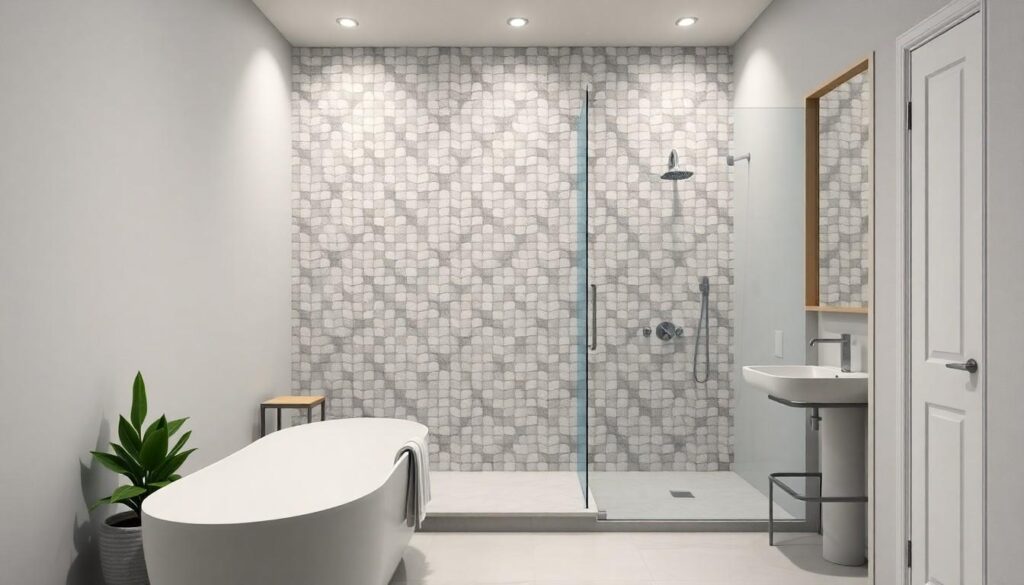
Current design trends emphasize the blend of functionality and aesthetics to create inviting bathroom spaces. Modern bathrooms focus on simplicity with clean lines and minimal clutter, resulting in serene environments.
Modern Aesthetics
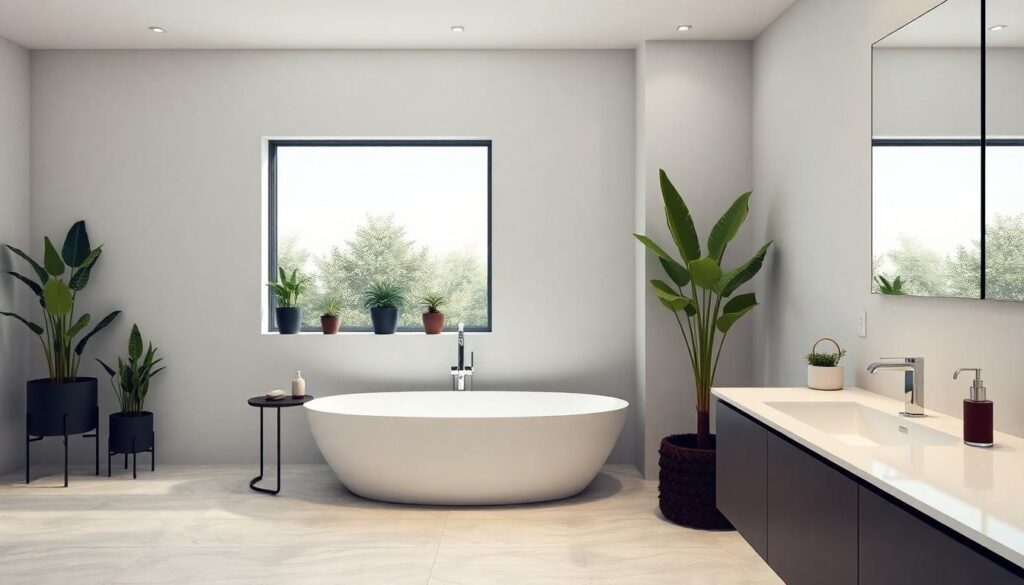
Contemporary designs spotlight neutral color palettes combined with bold accents. Plants enhance the serenity of bathrooms, adding a touch of nature. Geometric shapes influence shower tiles and fixtures, creating a stylish appearance. Smart technology integrates seamlessly, such as digital shower controls and automatic faucets, ensuring convenience. Lighting plays a pivotal role in setting the mood, with recessed lights and under-cabinet options elevating the atmosphere.
Vintage Inspirations
Retro designs offer charm through classic features that evoke nostalgia. Subway tiles often appear in traditional patterns, while clawfoot tubs provide a focal point in vintage-inspired spaces. Antique vanities paired with modern sinks blend old and new, ensuring functionality meets style. Bold wallpaper with intricate designs adds character and warmth. Vintage-inspired lighting fixtures, like Edison bulbs, create a cozy ambiance that enhances the overall aesthetic.
Functionality and Features of The Bathrooms
Bathrooms blend functionality with personal comfort. Key elements such as smart technology and eco-friendly solutions enhance user experience while promoting efficiency.
Smart Technology Integration
Smart technology transforms bathroom usage significantly. Digital shower controls allow precise temperature adjustments, enhancing comfort during daily routines. Motion-sensor faucets promote hands-free operation, reducing water waste. Smart mirrors that display weather and news create a multi-functional space. Additionally, voice-activated assistants enable easy control of lighting and other features. These integrations ensure bathrooms meet modern demands for convenience and efficiency.
Eco-Friendly Solutions
Eco-friendly solutions play a vital role in bathroom design. Low-flow toilets significantly reduce water consumption, which benefits both the environment and utility bills. Energy-efficient lighting options decrease electricity usage while maintaining aesthetic appeal. Tankless water heaters provide on-demand hot water, minimizing energy waste. Furthermore, sustainable materials like bamboo or recycled glass contribute to an eco-conscious environment. These choices resonate with homeowners seeking to minimize their ecological footprint without sacrificing style or comfort.
Maintenance Tips for The Bathrooms
Regular maintenance keeps bathrooms clean and functional. Start with routine cleaning; a mixture of vinegar and water effectively removes soap scum and mildew from surfaces. Employ suitable tools, such as scrub brushes and microfiber cloths, to ensure thoroughness.
Check plumbing fixtures periodically for leaks. Small leaks can waste significant water, increasing utility bills. Tightening connections or replacing washers often resolves these issues without needing professional help.
Inspect grout and caulking around tiles frequently. Damaged grout allows moisture to seep in, leading to mold growth. Apply fresh caulk or grout as needed to maintain a watertight seal.
Keep an eye on ventilation systems, ensuring fans operate correctly. Adequate ventilation prevents moisture buildup, which can lead to mold and mildew. Dusting vents and cleaning filters improves air circulation and performance.
Monitor water pressure in showers and faucets. Low pressure may indicate clogged aerators or issues within the plumbing system. Cleaning aerators or consulting a plumber often resolves these inconveniences.
Lastly, replace air filters in HVAC systems when due. Clean filters contribute to better air quality in bathrooms. Regular replacements result in improved efficiency and lower energy costs.
Cost Considerations for Renovating The Bathrooms
Renovating bathrooms involves careful cost assessment. Budgeting appropriately prevents overspending and ensures a successful project.
Materials represent a significant expense. High-quality fixtures and finishes often come at a premium, impacting overall costs. Low-flow toilets and water-efficient faucets, although slightly pricier upfront, yield long-term savings on utility bills.
Labor costs vary based on complexity. Hiring skilled contractors generally increases expenses, but their expertise can enhance the quality of renovations. For DIY enthusiasts, tackling simple projects like painting or installing new fixtures can cut costs.
Size plays a critical role in expenses. Standard bathrooms usually range from 40 to 100 square feet, while expansive master baths exceed 200 square feet, affecting material needs and labor requirements. Small updates are often more budget-friendly than large-scale renovations.
Design trends might influence spending. Incorporating smart technology and eco-friendly solutions often raises initial costs but contributes to both efficiency and sustainability. Prioritizing modern conveniences like digital controls adds functionality while appealing to contemporary aesthetics.
Permits and inspections factor into the overall budget. Local regulations might require specific permits, depending on the extent of the renovation. A proper permit process prevents future fines and ensures compliance with safety standards.
Planning for potential unexpected expenses is wise. Unforeseen issues, such as plumbing surprises or electrical upgrades, can arise during renovations. Financial buffers help manage these contingencies effectively.
Careful consideration of materials, labor, size, design trends, permits, and unexpected costs ensures successful bathroom renovations. Each element impacts the overall budget and contributes to creating inviting and functional bathroom spaces.
Bathrooms play a pivotal role in any home by combining functionality with personal comfort. They serve as essential spaces for hygiene while also offering a retreat from daily stresses. A well-designed bathroom can significantly enhance overall well-being through thoughtful layouts and quality fixtures.
Embracing modern trends and eco-friendly solutions not only elevates aesthetics but also promotes sustainability. With careful planning and attention to detail, transforming a bathroom into a serene sanctuary is entirely achievable. Ultimately, these spaces are more than just practical; they reflect personal style and contribute to a harmonious living environment.