Table of Contents
ToggleSearching “flooring installation near me” is the easy part. Finding a contractor who shows up on time, delivers clean work, and doesn’t leave you second-guessing the invoice? That’s where most homeowners hit a wall. Whether you’re installing hardwood in the living room, luxury vinyl plank in the kitchen, or carpet in the bedrooms, the installer you choose determines whether your project wraps up smoothly or turns into a months-long headache. This guide walks through exactly how to vet flooring installation companies near you, what to ask before signing anything, and how to spot trouble before it starts.
Key Takeaways
- Professional flooring installation contractors near you handle critical tasks like substrate prep, expansion gaps, and moisture testing that prevent costly damage like buckling, gaps, and squeaks within months.
- Always verify contractor licensing, insurance, and liability coverage before hiring, as flooring manufacturers often void warranties if installation isn’t completed by a certified professional.
- Request written estimates from at least three flooring installation companies and compare what’s included—demolition, underlayment, disposal, and baseboards—rather than just comparing bottom-line prices.
- Ask essential questions upfront about subfloor preparation, project timeline, labor warranties, and whether permits are required to avoid surprise costs and hidden issues discovered during installation.
- Watch for red flags including pressure to pay in full upfront, no physical business address, unlicensed or uninsured contractors, and vague estimates that are significantly cheaper than competitors.
- Plan for material acclimation (48–72 hours for hardwood and laminate) and expect professional protection measures like plastic sheeting and drop cloths before any flooring installation begins.
Why Professional Flooring Installation Matters
Flooring isn’t forgiving. Miss the acclimation period for hardwood, skip moisture testing on a concrete slab, or rush the underlayment on laminate, and you’ll see gaps, buckling, or squeaks within months. Professional flooring installation contractors near me bring more than tools, they understand substrate prep, expansion gaps, transition strips, and how to handle irregularities in subfloors that most DIYers don’t even know to check for.
A qualified installer will also carry liability insurance and worker’s comp, which protects you if someone gets hurt on-site or if your new floor gets damaged during the job. Cheap carpet installation or bargain flooring jobs often skip these protections, leaving homeowners liable.
Finally, many flooring manufacturers void warranties if the material isn’t installed by a certified pro. If you’re investing in quality hardwood or engineered flooring, cutting corners on installation can mean losing thousands in coverage if something goes wrong down the line.
How to Find Quality Flooring Installers in Your Area
Start with referrals from people who’ve actually had floors installed recently, neighbors, coworkers, or local Facebook groups. Word-of-mouth tends to surface contractors who show up when they say they will and clean up after themselves, two qualities that are surprisingly rare.
Next, check online directories and review platforms. Sites like Angi for flooring contractors aggregate verified customer reviews and let you filter by zip code, project type, and price range. Look for installers with at least a dozen recent reviews and a track record of finishing projects on time.
Don’t overlook big-box retailers if you’re budget-conscious. Home Depot carpet installation and similar programs connect you with vetted subcontractors and sometimes include promotions like $99 carpet installation for labor on qualifying purchases. Just know that the installer isn’t a Home Depot employee, they’re independent contractors working under the store’s network, so quality can vary.
For more specialized flooring (cork, bamboo, patterned tile), search for flooring installation companies that list those materials explicitly on their site or portfolio. Generalists can handle vinyl plank and carpet, but intricate work requires someone who’s done it before.
Finally, verify licensing and insurance before moving forward. Most states require contractors to hold a valid license for jobs over a certain dollar threshold. Call your local building department or check your state’s contractor licensing board online to confirm the license is active and has no disciplinary actions.
Questions to Ask Before Hiring a Flooring Installer
Before you sign a contract or hand over a deposit, ask these questions in person or over the phone:
1. What’s included in your estimate?
Make sure the quote covers removal and disposal of old flooring, subfloor repairs, underlayment, transition strips, and baseboards. Some carpet installation services only quote labor and materials, leaving you to handle demo and haul-away.
2. Do you handle subfloor prep, or is that on me?
A level subfloor is critical. If the installer expects you to fix dips, humps, or moisture issues, factor that time and cost into your budget. Professional crews should address minor leveling as part of the job.
3. How long will the project take?
A typical bedroom carpet install might take half a day. A whole-house luxury vinyl plank job could take three to five days depending on square footage and subfloor condition. Get a realistic timeline in writing.
4. What’s your warranty or guarantee?
Reputable flooring and installation near me pros offer at least a one-year labor warranty. If seams separate, planks lift, or tiles crack due to installation error, they should come back and fix it at no charge.
5. Will you pull permits if needed?
Most flooring jobs don’t require permits unless you’re altering floor joists or adding radiant heat. But if structural work is involved, confirm who’s responsible for permits and inspections.
6. Can I see references or photos of recent jobs?
Ask for two or three recent clients you can call. A confident installer won’t hesitate. Also request photos of completed projects similar to yours in scope and material.
Understanding Flooring Installation Costs and Quotes
Installation costs vary widely depending on material, region, subfloor condition, and job complexity. As a rough baseline in 2026:
- Carpet installation: $1.50–$4.50 per square foot for labor (higher for stairs and pattern matching). Some retailers advertise free carpet installation or affordable carpet installation deals when you buy materials through them, just confirm what “free” actually includes.
- Vinyl plank or laminate: $2–$5 per square foot installed, depending on whether it’s glue-down, click-lock, or requires extensive subfloor prep.
- Hardwood or engineered wood: $4–$10 per square foot for labor, with site-finished hardwood on the higher end.
- Tile: $5–$15 per square foot installed, driven by tile size, layout complexity, and whether you’re using large-format porcelain or intricate mosaics.
Many flooring installation contractors near me offer free estimates, but “free” doesn’t mean “binding.” If a contractor hasn’t seen your space in person, the initial quote is just a ballpark. Expect the final number to shift if they discover uneven subfloors, water damage, or asbestos tile that needs professional removal.
Get at least three written estimates. Compare not just the bottom line, but what’s included: demolition, disposal, underlayment, quarter-round or shoe molding, and furniture moving. The lowest bid often skips steps that the higher quotes include.
For large projects, ask about payment schedules. A typical structure is 10–20% upfront, 40–50% when materials arrive, and the balance upon completion. Never pay the full amount before work begins. Resources like HomeAdvisor offer cost calculators and contractor comparison tools to help you gauge fair pricing in your region.
What to Expect During the Installation Process
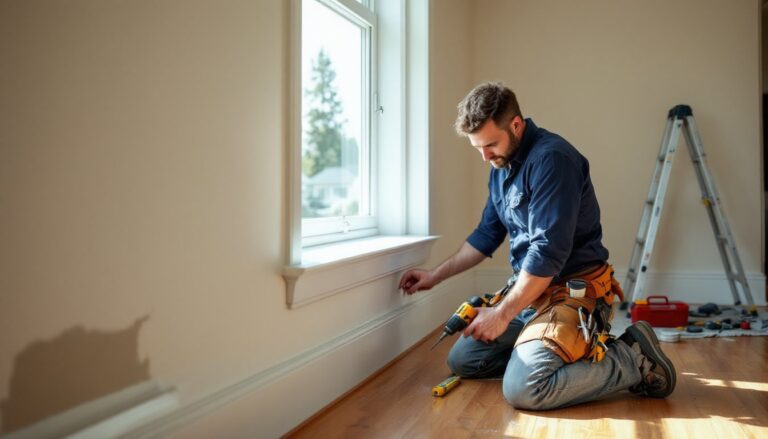
A professional crew will start by protecting your home. Expect plastic sheeting over doorways, drop cloths on adjacent floors, and cardboard runners in high-traffic areas. If they skip this step, that’s a red flag.
Day one usually involves removing old flooring and inspecting the subfloor. If they find rot, mold, or significant unevenness, work pauses while they address it, sometimes same-day, sometimes requiring a follow-up visit. This is where hidden costs can surface, so ask upfront how they handle change orders.
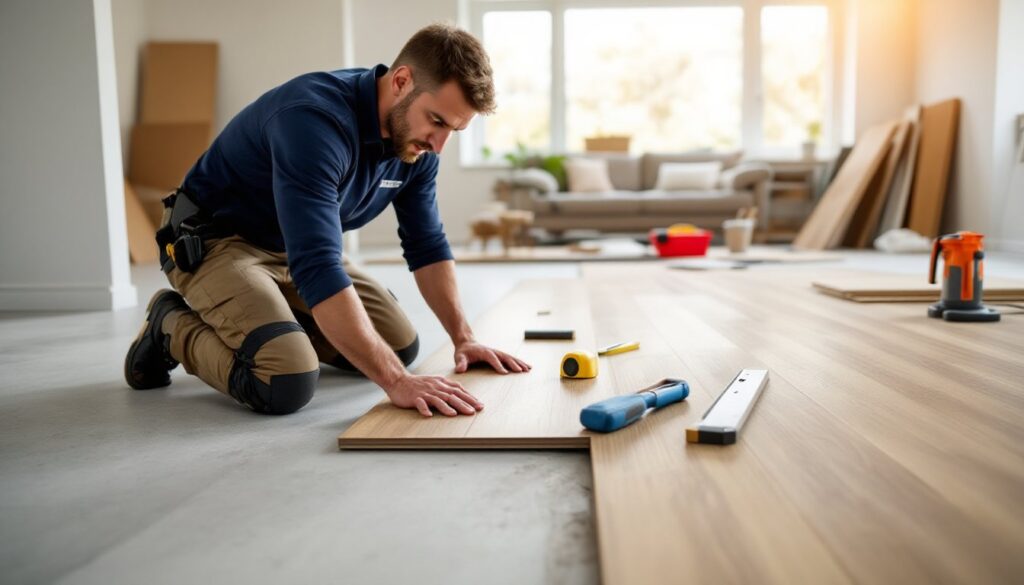
Material acclimation is critical for hardwood, engineered wood, and laminate. Boxes should sit in the room (unopened) for 48–72 hours so the planks adjust to your home’s temperature and humidity. Installers who want to rip open boxes and start nailing immediately are skipping a step that prevents future expansion and contraction issues.
During installation, expect noise. Miter saws, nail guns, and tile saws are loud. Wear ear protection if you’re staying home, and warn neighbors if you share walls.
Once flooring is down, the crew installs transition strips (metal or wood pieces between rooms or at doorways), replaces or adds baseboards, and cleans up. A good installer vacuums thoroughly and hauls away all debris the same day. You shouldn’t be left with a pile of old carpet pad in the driveway.
Before the crew leaves, walk the entire floor together. Check for loose planks, visible gaps, uneven transitions, or damage to walls and trim. Note any issues on the invoice or contract before signing off. Most flooring installation services will fix minor problems on the spot.
Red Flags to Avoid When Choosing a Flooring Contractor
Some warning signs are obvious: others only become clear after you’ve already signed a contract. Watch for these:
No physical address or local references.
If a company only lists a P.O. box or won’t provide local job sites you can visit, move on. Legitimate flooring installation companies have a verifiable business location.
Pressure to pay in full upfront.
A deposit is standard. Full payment before work starts is not. This is a classic setup for disappearing contractors.
No written contract.
Even small jobs should have a signed agreement that lists materials, timeline, payment schedule, and warranty terms. Handshake deals leave you with zero recourse if something goes wrong.
Vague or lowball estimates.
If one bid is 40% cheaper than the others and the contractor can’t explain why, they’re either skipping steps, using substandard materials, or planning to tack on surprise charges later.
Unlicensed or uninsured.
Always verify. If a contractor says “we’re getting our license renewed” or “insurance is expensive,” that’s code for “we don’t have it.” You’re liable if they get hurt or damage your home.
No material warranty transparency.
Reputable installers explain manufacturer warranties and provide documentation. If they dodge questions about product defects or long-term performance, they may be using off-brand or seconds-quality materials.
Trust your gut. If an installer shows up late to the estimate, gives contradictory answers, or makes you uncomfortable, there are plenty of other flooring installation contractors near me who will treat your project, and your home, with respect. Platforms like ImproveNet offer contractor vetting tools and project cost guides to help you compare options confidently.
Conclusion
Finding the right flooring installer comes down to assignments, clear communication, and a willingness to walk away from deals that feel off. Prioritize contractors who show up prepared, answer questions directly, and put everything in writing. A quality install protects your investment, keeps your warranty intact, and saves you from costly repairs down the road. Take the time to vet your options, and your new floors will look, and perform, exactly as they should.